Overview
The pharmaceutical sales landscape has evolved dramatically in recent years. Medical professionals have less time, access restrictions have increased, and the complexity of products requires deeper scientific knowledge than ever before. Traditional one-size-fits-all training approaches simply can’t keep pace with these changes or address the unique developmental needs of individual sales representatives.
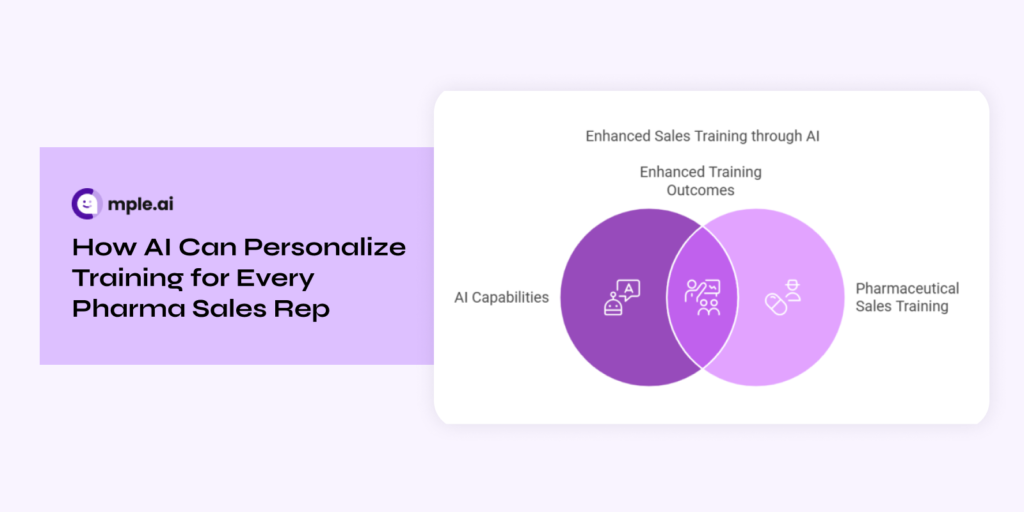
Artificial intelligence is transforming pharmaceutical sales training by creating truly personalized learning experiences. By analyzing individual performance data, learning styles, and skill gaps, AI can craft custom training pathways that maximize each rep’s potential and drive better sales outcomes. This shift from standardized to personalized training represents one of the most significant advancements in pharmaceutical sales enablement of the past decade.
What You’ll Learn:
By the end of this blog, you’ll understand:
- How AI creates individualized learning pathways based on each rep’s needs
- The power of AI roleplay simulations for building real-world skills
- How AI coaching provides targeted feedback without human intervention
- Ways to leverage real-time feedback to accelerate skill development
- Techniques for customizing the entire learning journey
- Methods for targeting specific skill development with precision
- How AI-powered assessments measure true competency, not just knowledge
The Limitations of Traditional Pharma Sales Training
- Uniformity: Most pharmaceutical companies deliver identical training to all representatives regardless of experience level, learning preferences, or specific skill gaps.
- Inefficiency: Without personalization, reps waste time on content they’ve already mastered while potentially missing areas where they need development.
- Limited Feedback: Traditional roleplay scenarios typically happen infrequently with minimal personalized feedback.
- Scalability Challenges: Providing individualized coaching traditionally requires significant human resources that most organizations can’t sustain.
Creating Personalized Learning Pathways with AI
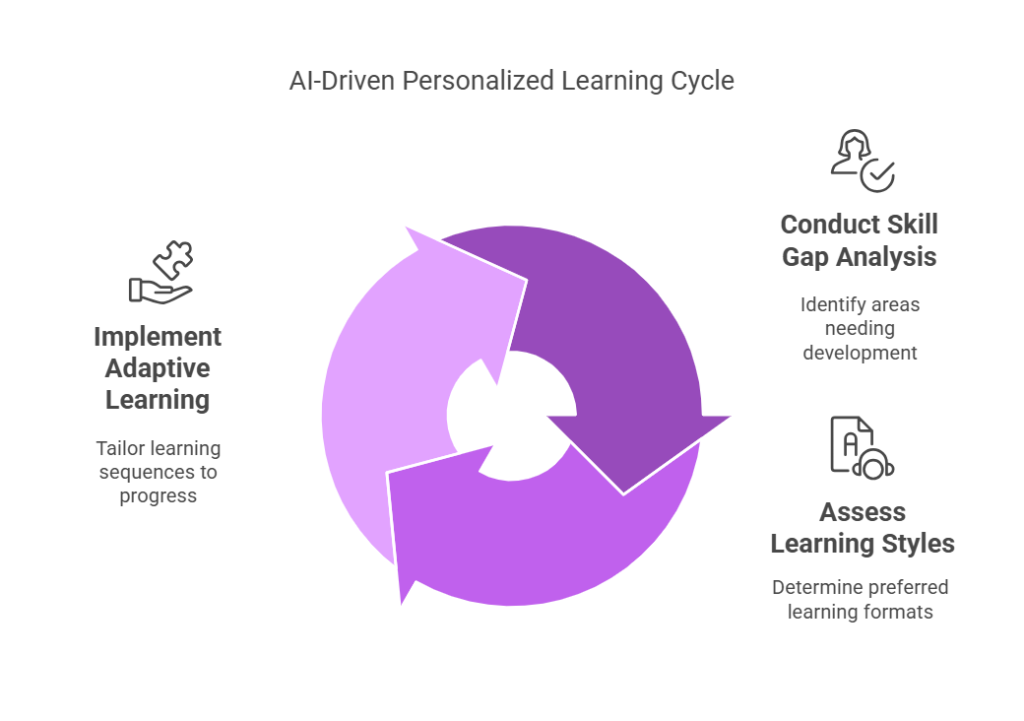
- Skill Gap Analysis: By evaluating performance metrics, coaching feedback, and assessment results, AI identifies specific areas where each rep needs development—whether that’s clinical knowledge, objection handling, or presentation skills.
- Learning Style Assessment: Some representatives learn best through visual content, others through audio or hands-on practice. AI can identify these preferences and deliver content in formats most effective for each individual.
- Adaptive Learning Sequences: Rather than following a predetermined path, AI adjusts the sequence of learning modules based on a rep’s progress and performance, focusing more time on challenging areas and accelerating through content they quickly master.
AI Roleplay: Practice That Mirrors Real-World Interactions
- Realistic Conversations: Advanced language models can simulate healthcare professionals with different personalities, specialties, and objections, allowing reps to practice in safe environments that reflect actual field experiences.
- Multiple Scenarios: While traditional roleplay might cover a handful of scenarios, AI can generate hundreds of variations—different physician types, practice settings, time constraints, and objection patterns.
- Consistency with Variation: AI simulations maintain consistency in evaluation criteria while introducing enough variation to prepare reps for the unpredictability of actual physician interactions.
- Availability: Unlike human roleplayers who have limited availability, AI simulations are accessible 24/7, allowing representatives to practice whenever they have time or immediately before important meetings.
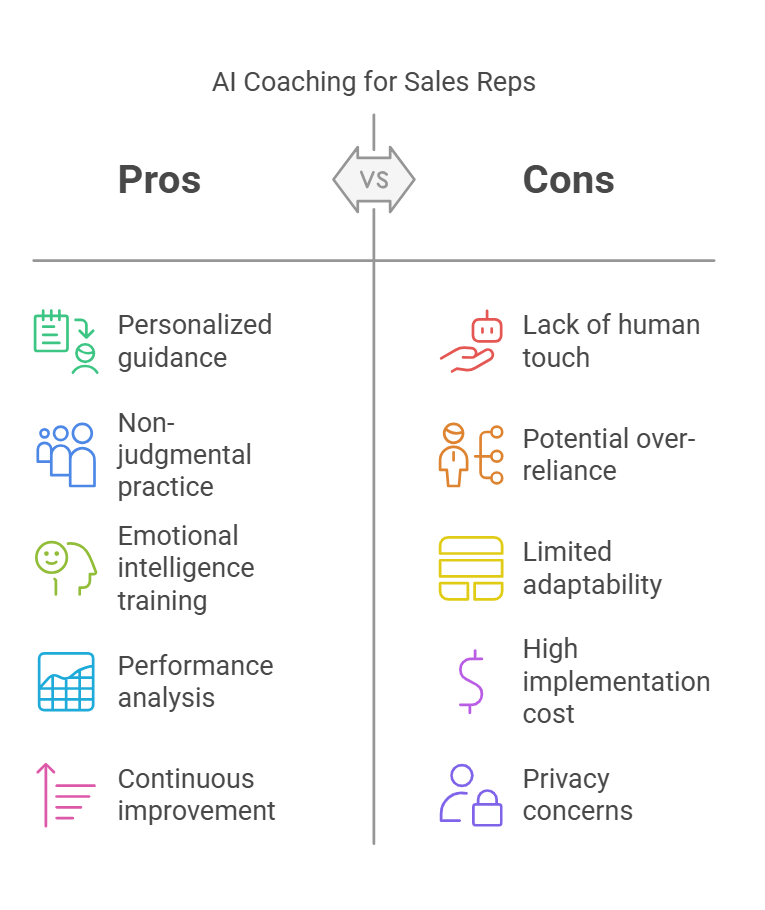
AI Coaching: Personalized Guidance at Scale
- Language Pattern Analysis: AI can analyze a rep’s communication patterns, identifying overused phrases, areas where clinical messaging could be stronger, or opportunities to ask better discovery questions.
- Emotional Intelligence Coaching: Advanced systems can evaluate tone, pacing, and even detect emotional responses from simulated HCPs, helping reps develop better emotional intelligence in their interactions.
- Personalized Improvement Plans: Based on performance across multiple simulations, AI coaches develop individualized improvement plans focusing on each rep’s specific development areas.
- Non-Judgmental Environment: Many representatives feel uncomfortable practicing skills in front of peers or managers. AI provides a judgment-free zone where reps can make mistakes and learn from them without fear.
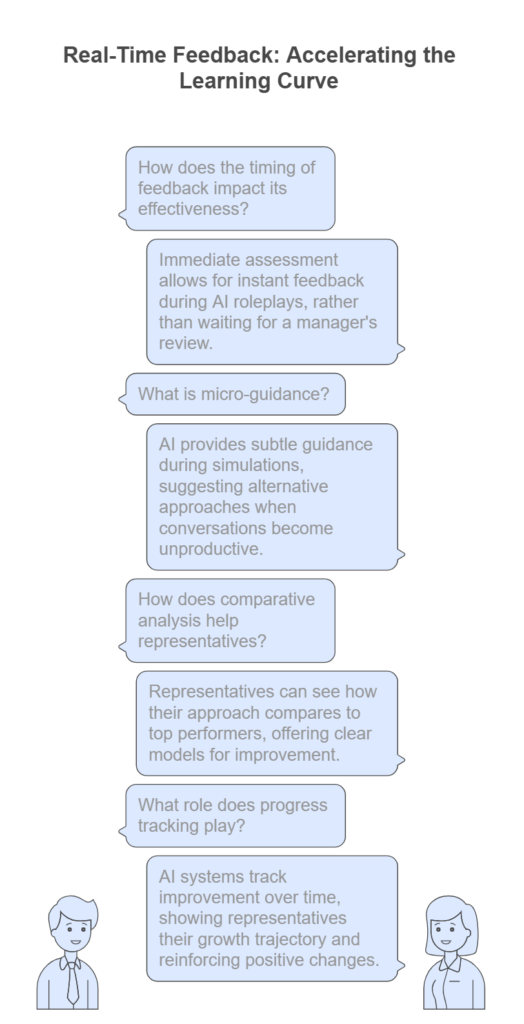
Real-Time Feedback: Accelerating the Learning Curve
- Immediate Assessment: During AI roleplays, representatives receive instant feedback on their performance rather than waiting days or weeks for a manager’s review.
- Micro-Guidance: AI can provide subtle guidance during simulations, suggesting alternative approaches when a conversation is heading in an unproductive direction.
- Comparative Analysis: Representatives can see how their approach compares to top performers within the organization, providing clear models for improvement.
- Progress Tracking: AI systems track improvement over time, showing representatives their growth trajectory and reinforcing positive changes in their approach.
Targeted Skill Training
- Scientific Knowledge Enhancement: For reps struggling with clinical concepts, AI provides additional scientific training with appropriate depth and complexity.
- Competitive Differentiation Skills: When facing specific competitors in their territories, reps receive focused training on relevant differentiation strategies.
- Account Strategy Development: AI can simulate complex account scenarios, helping representatives practice strategic thinking and planning skills.
- Virtual Selling Techniques: As more interactions move online, AI helps representatives master the unique requirements of effective virtual engagement.
Key Takeaways
- AI personalization transforms pharmaceutical sales training from a standardized experience to individualized development that addresses each rep’s specific needs.
- Simulated roleplays with AI-powered healthcare professionals provide safe, realistic practice environments that scale effectively across the organization.
- AI coaching delivers immediate, objective feedback without the limitations of human availability or subjective bias.
- Real-time guidance accelerates skill development by shortening the feedback loop and reinforcing positive behaviors.
- Customized learning journeys ensure representatives focus their limited time on development areas with the highest potential impact.
Conclusion
The era of one-size-fits-all training for pharmaceutical sales teams is ending. As healthcare provider access becomes more restricted and products more complex, the effectiveness of each interaction grows increasingly important. AI-powered personalization doesn’t just incrementally improve training—it fundamentally transforms how representatives develop their skills.
Organizations that embrace these technologies gain significant competitive advantages: better-prepared representatives, more efficient training processes, and ultimately, improved sales performance. As AI technology continues to advance, the gap between traditional and AI-enhanced training approaches will only widen, making this transition increasingly important for forward-thinking pharmaceutical companies.
FAQs
1. How long does it take to implement an AI-driven training program?
Implementation typically takes 3-6 months, depending on the complexity of your existing systems and the extent of customization required.
2. Can AI training replace human coaches entirely?
No. AI works best as a complement to human coaching, handling scalable practice and feedback while managers focus on complex situations and emotional support.
3. How do representatives typically respond to AI training systems?
After initial skepticism, most representatives embrace these systems when they experience the personalization benefits and see improvement in their performance.
4. What technical infrastructure is required to support AI training?
Most modern AI training platforms are cloud-based and require minimal internal IT infrastructure beyond standard computers and reliable internet connections.
5. How do you ensure AI roleplay scenarios remain scientifically accurate?
Leading platforms employ medical professionals to review and validate all scientific content, and systems are regularly updated to reflect the latest clinical information.
6. Can AI training adjust to different regional requirements around the world?
Yes, sophisticated systems can be configured to respect regional regulations, cultural differences, and market-specific product positioning.
7. What’s the typical return on investment for AI-powered sales training?
Organizations typically report 15-30% improvements in sales performance metrics within the first year, easily justifying the investment in technology and implementation.