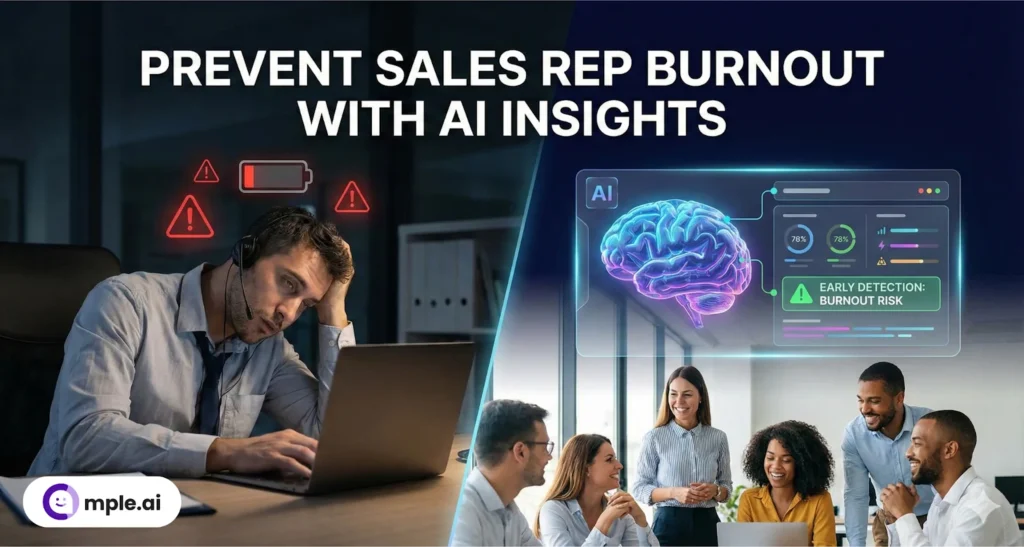
Sales teams today operate under relentless pressure—tight targets, shrinking deal cycles, rising competition, and constant performance tracking. While performance expectations rise every quarter, sales rep burnout has quietly become one of the biggest hidden threats to revenue, retention, and brand reputation.
What if organizations could identify burnout before it impacts revenue?
This is exactly where AI sales training software is changing the game.
In this blog, we explore how AI is helping companies detect early burnout signals, intervene proactively, and build resilient, high-performing sales teams.
What Is Sales Rep Burnout?
Sales burnout is a state of mental, emotional, and physical exhaustion caused by prolonged stress, pressure, and performance demands. Burnt-out reps often show:
- Declining motivation
- Reduced call quality
- Increased absenteeism
- Higher error rates
- Lower conversion ratios
- Emotional disengagement
Left undetected, burnout leads directly to:
- Higher attrition
- Pipeline volatility
- Poor customer experience
- Increased hiring and training costs
Why Traditional Burnout Detection Fails in Sales Teams
Most organizations still rely on:
- Quarterly reviews
- Manager intuition
- Lagging KPIs like missed targets or resignations
By the time burnout becomes visible in dashboards, the damage is already done.
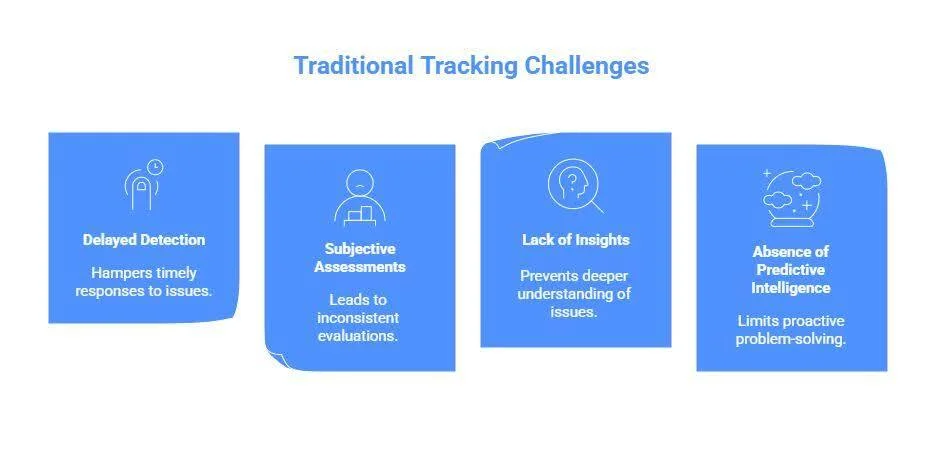
Traditional systems suffer from:
- Delayed detection
- Subjective assessments
- No behavioral insights
- No predictive intelligence
Sales leaders need real-time, behavior-driven, predictive indicators. And that’s where AI sales training software steps in.
How AI Sales Training Software Detects Burnout Early
Modern AI platforms don’t just train—they listen, analyze, and predict using real behavioral data.
Here’s how:
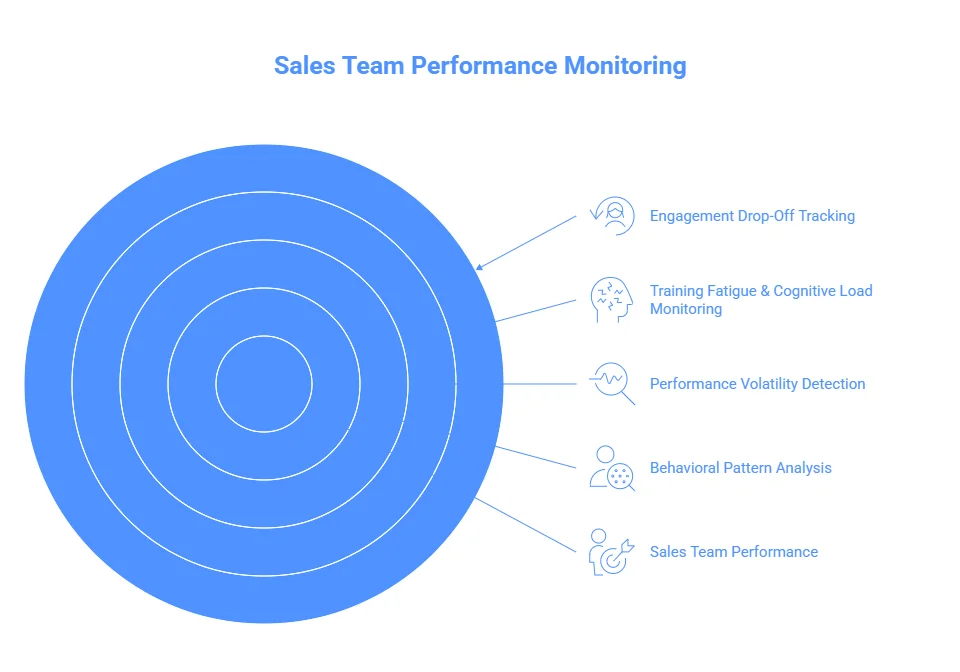
1. Behavioral Pattern Analysis
AI tracks:
- Speaking speed
- Voice confidence
- Response delays
- Engagement levels
- Objection handling patterns
A sudden drop in energy, longer pauses, or robotic delivery often signals early burnout.
2. Performance Volatility Detection
Instead of looking only at targets, AI identifies:
- Fluctuations in rep performance
- Inconsistent pitch delivery
- Drop in conversion at specific funnel stages
Volatility is one of the earliest technical symptoms of burnout.
3. Training Fatigue & Cognitive Load Monitoring
AI roleplay and coaching platforms can detect:
- Repetition errors
- Increased hesitation
- Reduced learning velocity
- Declining assessment scores
This helps distinguish between:
- Skill gaps
- Knowledge fatigue
- Mental exhaustion
4. Engagement Drop-Off Tracking
AI sales enablement tools monitor:
- Participation in training
- Frequency of practice
- Feedback acceptance
- Coaching responsiveness
Low engagement is a strong burnout indicator long before resignation.
5. Manager vs Rep Behavior Gaps
AI highlights:
- Coaching frequency drop
- Increase in negative reinforcement
- Poor feedback loops
Burnout isn’t always about the rep—it’s often systemic.
The Business Impact of Early Burnout Detection
Using AI sales training software for burnout detection delivers measurable ROI:
| Impact Area | Result |
|---|---|
| Attrition | ↓ 20–35% |
| Ramp Time | ↓ 25% |
| Productivity | ↑ 15–30% |
| Coaching Effectiveness | ↑ 2–3X |
| Revenue Predictability | ↑ Significantly |
Preventing just 1 senior rep resignation can save companies ₹8–20 lakhs annually in hiring, training, and lost revenue.
Real-World Use Case: From Crisis to Control
A mid-size pharma company faced:
- High frontline rep churn
- Poor call quality
- Manager overload
- Frequent disengagement
By deploying AI-based roleplay and coaching:
- Burnout signals were identified within 2–3 weeks
- Low-energy reps received lighter coaching cycles
- High-potential reps received accelerated paths
- Engagement rebounded within 60 days
Result:
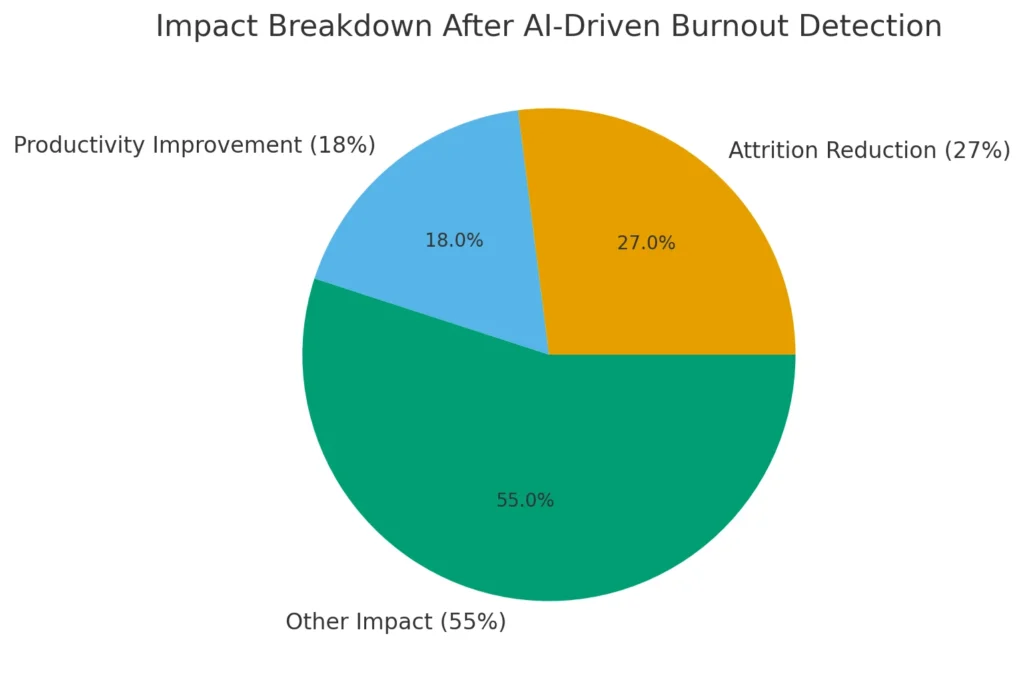
- 27% attrition reduction
- 18% productivity improvement
- Consistent field execution
Why AI Beats Human-Only Burnout Detection
| Human Monitoring | AI Sales Training Software |
|---|---|
| Subjective | Fully data-driven |
| Infrequent | Continuous |
| Emotional bias | Neutral |
| Reactive | Predictive |
| Limited scale | Enterprise-scale |
AI doesn’t replace managers—it makes them 10x more effective.
Key Features to Look for in Burnout-Detecting AI Sales Platforms
When selecting an AI solution, look for:
- Behavioral analytics
- Voice & speech intelligence
- Real-time skill gap heatmaps
- Rep-level emotional trend tracking
- Predictive performance analytics
- Personalized coaching automation
- Burnout risk scoring
- Manager dashboards with early alerts
The Future: Burnout Prevention Will Be Automated
In the next 3–5 years:
- Burnout detection will become standard inside sales enablement
- AI will autonomously recommend:
- Reduced training loads
- Manager intervention
- Role changes
- Performance recovery plans
Organizations that adopt this early will:
- Win the talent war
- Reduce revenue volatility
- Build highly sustainable sales teams
How mple.ai Fits into This Vision:
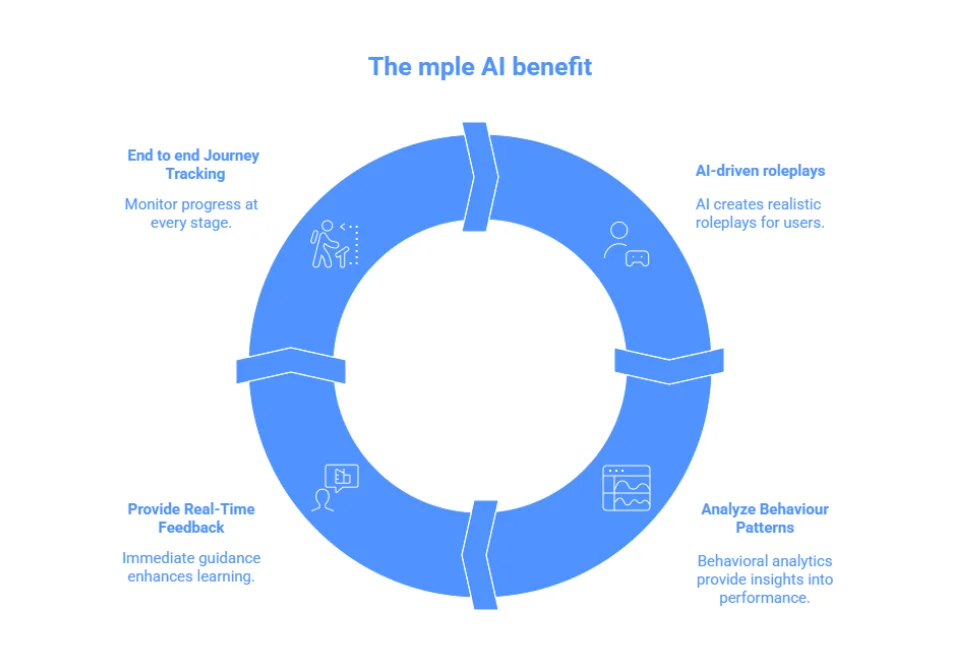
- Real-time Feedback Loops
- AI-driven Roleplays
- End to end Journey Tracking
- Behaviour Analytics
To not just train reps—but predict performance AND fatigue before revenue drops.
Conclusion
Sales burnout is no longer just a “people problem.”
It is now a data problem—and AI is the solution.
Organizations that use AI sales training software to detect rep burnout early will dominate on:
- Revenue consistency
- Talent retention
- Customer experience
- Sales execution excellence
If your sales dashboard only shows results—but not emotional risk—you’re already reacting too late.
Sales burnout is not a rep problem—it’s a system problem
I strongly believe burnout doesn’t happen because reps are not trying hard enough.
It happens because teams lack real-time visibility into workload, pressure, and emotional strain. Without data, managers only react once the damage is irreversible.
The fix is simple: start measuring rep energy, engagement, and behavior—not just CRM activity.
FAQs
1. What are the early signs of burnout in sales teams?
Early signs include declining call quality, low motivation, repetitive mistakes, reduced training engagement, and emotional disengagement.
2. Is AI sales training software suitable for inside and field sales?
Yes, it works effectively for inside sales, field sales, pharma reps, enterprise teams, and B2B sales across industries.
3. What features should I look for in an AI sales training platform?
Key features include AI roleplays, behavioral analytics, burnout risk scoring, real-time coaching, and manager performance dashboards.
4. Can AI replace sales managers in burnout detection?
No, AI enhances managers with predictive insights, but human leadership is essential for motivation and real-world intervention.
5. How fast can companies see results after implementing AI sales training?
Most companies see engagement gains in 30 days, productivity improvements in 60–90 days, and attrition reduction within 3–6 months.
References:
McKinsey & Company – AI powered marketing and sales reach new heights with generative AI
IBM – AI in sales enablement
Forbes – AI-Driven Workforce Analytics Can Turn Data Into Actionable Insights