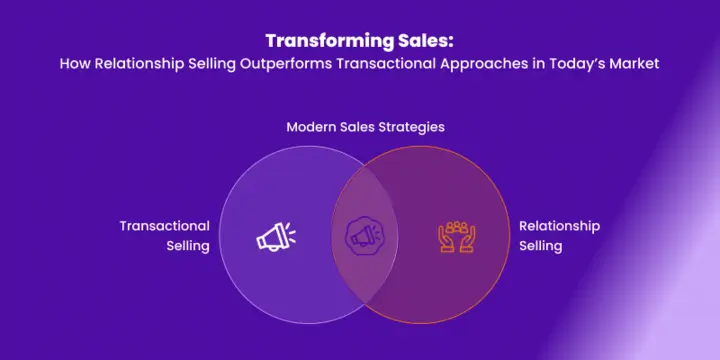
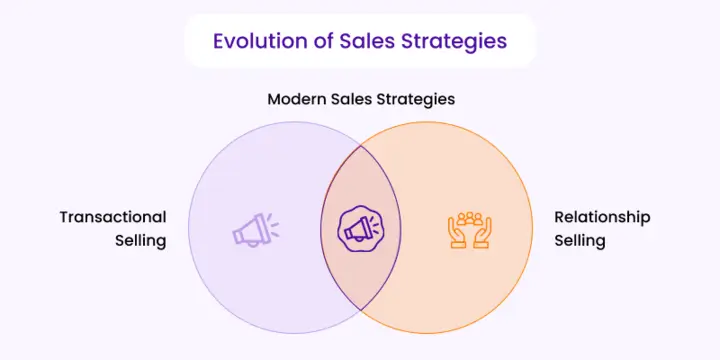
In today’s rapidly evolving marketplace, sales strategies have significantly transformed. Traditional methods, which focus primarily on closing deals quickly, are giving way to more customer-centric approaches. This shift from transactional selling to relationship selling marks a profound change in how businesses connect with their customers. In this blog, we’ll explore the key differences between these two approaches, their pros and cons, and how you can adapt your sales strategy for long-term success by embracing relationship-based selling.
What You Will Learn:
- The fundamental differences between transactional selling and relationship selling.
- Why businesses are shifting from price-driven sales to value-driven relationships.
- Key benefits of relationship selling and how it fosters customer loyalty.
- Steps to transition your sales strategy to focus on long-term relationships.
- How technology like CRM and AI can support relationship selling.
Understanding Transactional Selling
What is Relationship Selling?
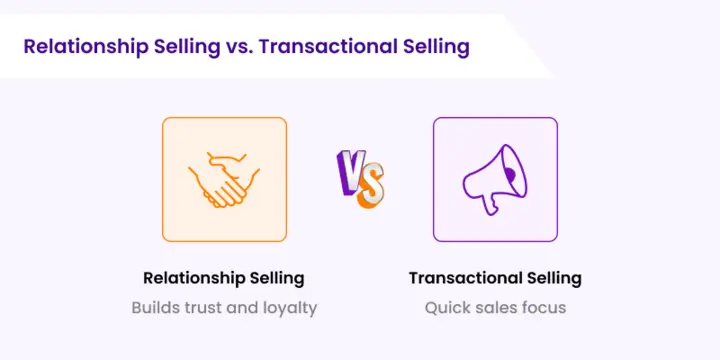
Relationship selling, in contrast, focuses on creating lasting relationships with customers. Instead of pushing for a quick sale, the goal is to understand the customer’s long-term needs and provide tailored solutions that build trust and loyalty over time.
Why the Shift?
- Changing Customer Expectations: Today’s customers are more informed and value personalized experiences over product features.
- Increased Competition: With many similar products in the market, differentiation through relationships becomes crucial.
- Digital Commerce: The rise of e-commerce has made it easy for buyers to switch vendors. Relationship selling helps in retaining customers by building trust.
Key Characteristics of Relationship Selling:
- Customer-centric: The focus is on understanding and solving the customer’s problems.
- Long-term Focus: The goal is to establish a relationship that leads to repeat business.
- Value-driven: Rather than selling a product, the focus is on providing value that meets the customer’s needs.
Benefits of Relationship Selling
Increased Customer Loyalty: By investing time in understanding customers’ needs, relationship selling fosters loyalty. Satisfied customers are more likely to return and recommend your services to others.
Higher Customer Lifetime Value: A loyal customer is more valuable in the long run. Instead of a one-time purchase, relationship selling encourages repeat business, increasing the overall revenue from each customer.
Better Differentiation: In a crowded market, offering a product is not enough. Relationship selling helps you stand out by offering personalized experiences and building trust, which competitors may not easily replicate.
Improved Sales Success Rates: Sales built on trust are more likely to convert. When customers feel valued, they are more inclined to make purchasing decisions and remain loyal to your brand.
How to Adapt Your Sales Strategy for Relationship Selling
If your business is looking to transition to a relationship-based approach, here are some practical steps to help you adapt:
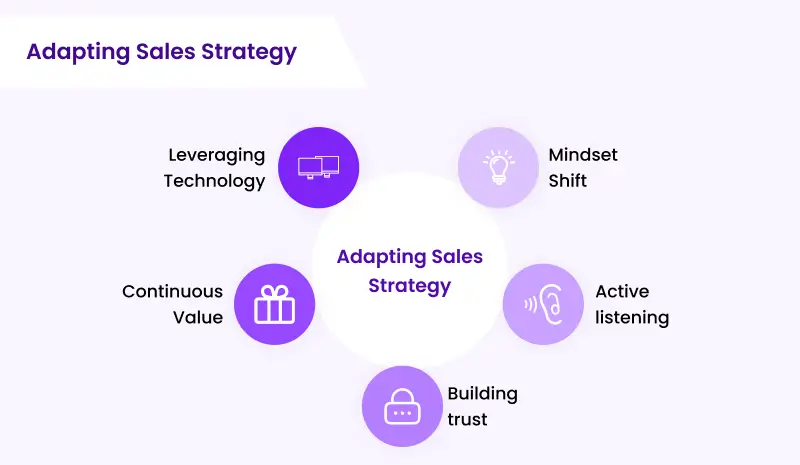
Shift in Mindset: The first change is a mental one—moving from a mindset that focuses solely on closing deals to one that values customer relationships over time. Start by seeing your customers as partners, not just buyers.
Active Listening and Empathy: Building relationships starts with understanding your customer’s needs. Listening actively and showing empathy helps build a deeper connection, allowing you to provide better solutions tailored to their unique situations.
Building Trust and Credibility: Trust is the foundation of relationship selling. You can build trust by being transparent, offering honest advice, and consistently delivering on promises. Your credibility will grow as you prove your value over time.
Providing Continuous Value: Once the sale is made, relationship selling doesn’t end. Continuous support, personalized follow-ups, and providing value even after the transaction will reinforce the relationship.
Leveraging Technology: CRM tools and AI-driven insights can help you track customer interactions, anticipate their needs, and provide personalized communication. This technology enables you to nurture relationships more efficiently.
The Role of Technology in Supporting Relationship Selling
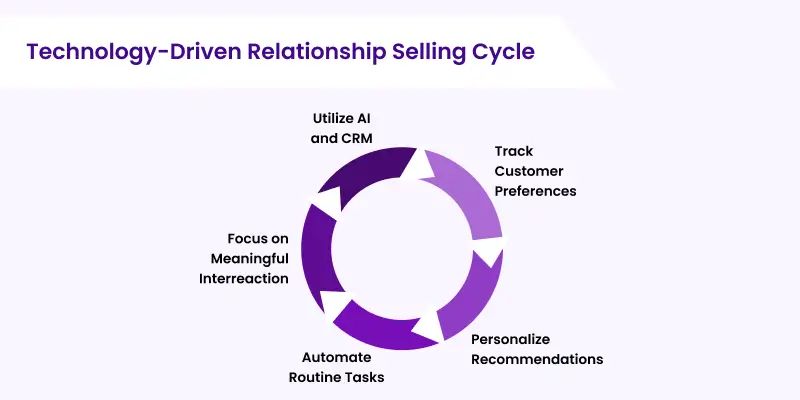
Technology is a key enabler in modern relationship selling. AI and CRM platforms allow sales teams to maintain detailed records of interactions with customers, track their preferences, and provide personalized recommendations. This data-driven approach ensures that customers feel valued, helping you maintain the relationship over time.
Additionally, automation tools can streamline repetitive tasks, freeing up more time for meaningful interactions. With the right tools, sales teams can focus on building connections while technology manages the routine aspects of the process.
Examples of Transactional Selling in Action
Case Study 1: E-commerce Platform
An e-commerce platform focusing on fast-paced sales during major shopping events like Black Friday and Cyber Monday demonstrates transactional selling at its core. Their sales strategy revolves around limited-time offers, discounts, and promotional codes to drive quick purchases. The main goal is to maximize revenue in a short window, with minimal emphasis on building long-term customer relationships.
Case Study 2: Electronics Retail Store
A large electronics retail store runs a “Holiday Sale” campaign, where the focus is on moving high volumes of products through attractive discounts. Salespeople are incentivized to hit daily or weekly targets, with less focus on customer needs and long-term engagement.
Examples of Relationship Selling in Action
Case Study 1: SaaS Company
A SaaS company shifted from purely transactional selling to a relationship-based model by offering dedicated account managers for key clients. This move resulted in a 30% increase in customer retention and a 20% boost in upsells within the first year.
Case Study 2: Retail Brand
A retail brand introduced personalized shopping experiences, both in-store and online. By analyzing customer data, they offered tailored recommendations and follow-ups, leading to an 18% increase in repeat customers.
Transactional Selling Vs Relationship Selling
| Aspect | Transactional Selling | Relationship Selling |
|---|---|---|
| Goal | Closing the sale as quickly as possible. | Building trust and creating repeat business. |
| Sales Focus | Product or service features and price. | Customer needs, providing value, and solving problems. |
| Customer Interaction | Minimal | Continuous |
| Sales Strategy | Price-driven | Value-driven |
| Competition | High | Low |
| Success Measurement | Number of sales closed and revenue generated. | Customer satisfaction, retention, and lifetime value. |
| Post-Sale Interaction | Minimal follow-up | Regular follow-up |
| Industries Commonly Used | Retail, e-commerce, and commoditized products. | B2B sales, consulting, and industries requiring personalized service. |
Key Takeaways
- Transactional selling is focused on short-term goals, often leading to one-time purchases and price competition.
- Relationship selling prioritizes customer needs, builds long-term trust, and fosters loyalty.
- Adapting to relationship selling requires a shift in mindset, active listening, and leveraging technology to support personalized, value-driven interactions.
- Technology such as CRM and AI tools is essential for tracking customer interactions and providing tailored solutions.
Conclusion
The evolution from transactional to relationship selling is not just a trend—it’s a necessity in today’s business landscape. As customers seek deeper connections and personalized experiences, businesses must adapt their sales strategies to build lasting relationships. By focusing on trust, empathy, and continuous value, you can ensure long-term success in an increasingly competitive market.
FAQs
1. What is the biggest advantage of relationship selling?
The biggest advantage is customer loyalty and increased lifetime value, leading to repeat business and long-term success.
2. How does technology enhance relationship selling?
Technology like CRM systems and AI-driven insights helps track customer interactions, anticipate needs, and maintain personalized communication, fostering stronger relationships.
3. Can businesses combine both transactional and relationship selling?
Yes, some businesses adopt a transitional selling approach, where they start with transactional methods but gradually evolve toward relationship-based selling.
4. What industries benefit most from relationship selling?
Industries like B2B sales, consulting, healthcare, and technology services that require personalized solutions benefit most from relationship selling.