In today’s hyper-competitive sales environment, the traditional “one-size-fits-all” training approach is no longer effective. Sales professionals have varying levels of expertise, learning preferences, and performance gaps that require tailored development plans. Enter AI-driven personalized learning paths—a game-changer in sales training. By leveraging artificial intelligence, organizations can deliver customized learning experiences that align with individual needs, resulting in higher engagement, better skill retention, and measurable performance improvement.
What You’ll Learn
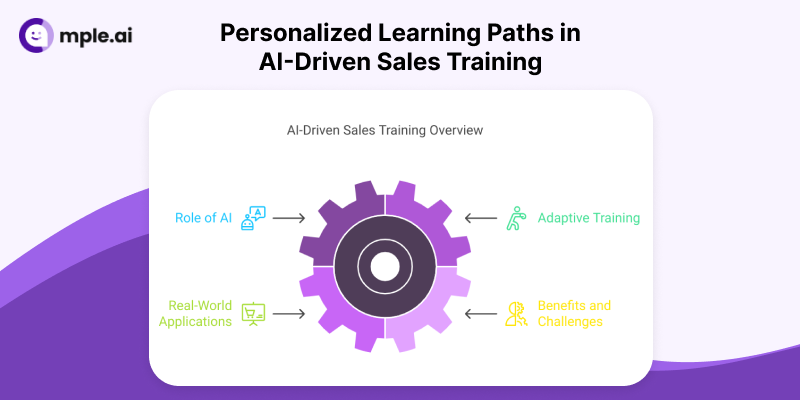
- The role of AI in creating personalized learning paths.
- How adaptive training improves sales performance.
- Real-world applications of custom sales development.
- The benefits and challenges of implementing AI-driven training solutions.
The Shift to Personalized Sales Training
Traditional sales training programs often rely on generic modules delivered to all team members, regardless of their specific needs. While these programs may cover the basics, they fail to address individual skill gaps or capitalize on a sales rep’s unique strengths.
AI-driven personalized learning paths revolutionize this process by:
- Analyzing Performance Data: Identifying areas where each sales rep excels or needs improvement.
- Adapting in Real-Time: Modifying training content dynamically based on individual progress.
- Fostering Continuous Development: Encouraging reps to master skills at their own pace, ensuring long-term growth.
How AI Creates Personalized Learning Paths
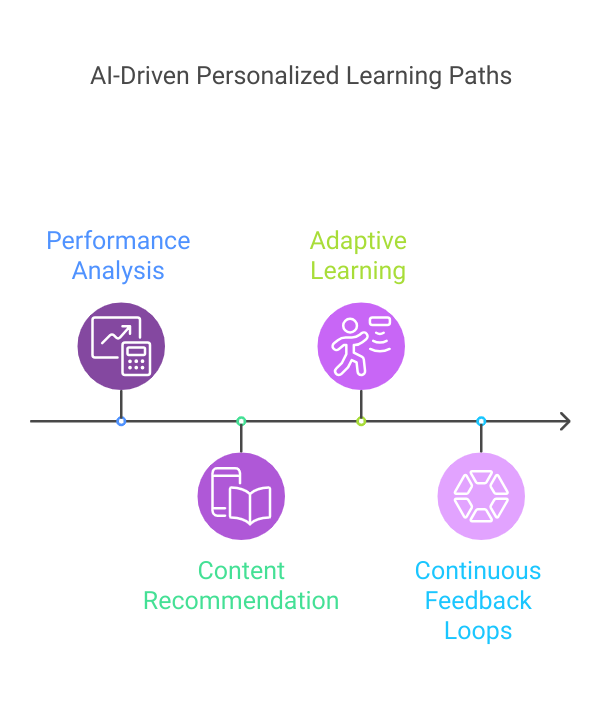
1. Performance Analysis
AI-powered tools analyze a wealth of data, including:
- Sales metrics (e.g., conversion rates, average deal size).
- Roleplay outcomes.
- Quiz and assessment results.
- Behavioral patterns, such as response times and negotiation tactics.
This analysis helps pinpoint specific skill gaps and learning opportunities for each individual.2. Content Recommendation
Based on the analysis, AI algorithms recommend tailored content, such as:
- Microlearning modules targeting weak areas.
- Advanced resources for top-performing reps to refine their skills further.
- Role-specific training programs, such as objection handling for inside sales or consultative selling for field reps.
3. Adaptive Learning
AI enables adaptive learning experiences by:
- Adjusting the difficulty of exercises and scenarios based on the rep’s progress.
- Prioritizing content that aligns with their immediate goals and challenges.
- Providing instant feedback and actionable insights to accelerate skill acquisition.
4. Continuous Feedback Loops
AI systems gather data after each training interaction to:
- Track improvement over time.
- Update the learning path dynamically to address evolving needs.
- Provide insights to managers and coaches for supplemental mentorship.
Real-World Applications of AI-Driven Learning Paths
Example 1: Onboarding New Sales Reps
For new hires, AI-powered training platforms can:
- Assess initial knowledge levels.
- Create a personalized roadmap that combines foundational sales training with company-specific insights.
- Accelerate ramp-up times by focusing on critical skills.
Example 2: Upskilling Experienced Reps
For seasoned professionals, AI tools identify areas for improvement, such as:
- Advanced negotiation techniques.
- Cross-selling and upselling strategies.
- Industry-specific compliance training, like those required in pharmaceuticals or financial services.
Example 3: Supporting Underperforming Reps
AI detects performance bottlenecks and delivers targeted training to address challenges, such as overcoming objections or improving customer engagement.
Benefits of Personalized AI-Driven Sales Training
- Enhanced Engagement: Tailored content resonates more with learners, increasing their motivation to complete training programs.
- Higher Retention Rates: Personalized learning experiences improve knowledge retention by focusing on relevant and practical skills.
- Scalability: AI systems can manage personalized training for large teams, ensuring consistent quality across geographies.
- Data-Driven Insights: Managers gain actionable data to support coaching efforts and measure ROI.
- Improved Sales Outcomes: Reps equipped with customized training are more confident and effective, leading to higher close rates and revenue growth.
Challenges in Implementing AI-Driven Learning Paths
- Integration with Existing Systems: Incorporating AI tools into current sales training workflows can be complex.
- Initial Investment: Advanced AI platforms require upfront costs, though the ROI often justifies the expenditure.
- Data Privacy Concerns: Collecting and analyzing performance data must comply with privacy regulations.
- Change Management: Sales teams may need time to adapt to new AI-driven training methodologies.
How mple.ai is Leading the Way
mple.ai is revolutionizing sales training by leveraging AI to create personalized learning paths tailored to individual performance and learning patterns. Here’s how mple.ai makes it happen:
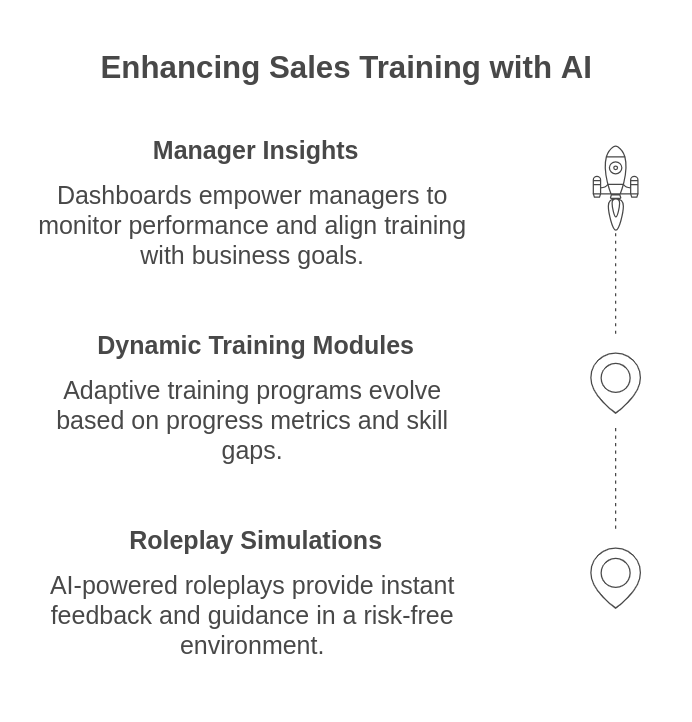
- Roleplay Simulations: mple.ai’s AI-powered roleplays replicate real-world sales scenarios, providing reps with:
- Instant feedback on tone, pitch, and objection handling.
- Scenario-specific guidance to improve effectiveness.
- Opportunities to practice and refine skills in a risk-free environment.
- Dynamic Training Modules: mple.ai delivers adaptive training programs that evolve based on:
- Individual progress metrics.
- Skill gaps identified through analytics.
- Team-specific goals and market trends.
- Actionable Insights for Managers: mple.ai’s dashboards empower managers to:
- Monitor team performance at a granular level.
- Identify high-potential reps and areas for targeted coaching.
- Align training efforts with broader business objectives.
By combining AI precision with human expertise, mple.ai ensures that every sales rep receives the support they need to excel.
Key Takeaways
- AI-driven personalized learning paths are transforming sales training by delivering targeted, adaptive, and effective programs.
- Performance analysis, content recommendation, and continuous feedback are the cornerstones of AI-based training.
- Real-world applications highlight the scalability and impact of personalized sales development.
- Despite challenges, tools like mple.ai are setting new benchmarks in sales training by blending AI innovation with actionable insights.
Conclusion
The future of sales training lies in personalization. AI-driven learning paths empower sales reps to grow at their own pace, focusing on skills that matter most to their roles. With tools like mple.ai, organizations can create a dynamic and impactful training ecosystem that enhances individual performance and drives business success.
As the sales landscape continues to evolve, investing in personalized AI-powered training is not just a strategic advantage—it’s a necessity for staying competitive in the modern marketplace.
FAQs
What is a personalized learning path?A personalized learning path tailors training content and experiences to an individual’s specific needs, skills, and performance gaps.How does AI enable personalized sales training?AI analyzes performance data, recommends tailored content, and adapts learning programs dynamically to optimize individual growth.What industries benefit from AI-driven learning paths?Industries like pharmaceuticals, technology, financial services, and retail, where sales roles require specialized knowledge and skills, benefit significantly.What challenges come with implementing AI in sales training?Challenges include system integration, upfront costs, data privacy concerns, and the need for change management within teams.How does mple.ai support personalized learning?mple.ai provides AI-driven roleplays, dynamic training modules, and actionable insights, enabling customized and effective sales training at scale.