
In today’s fast-paced business environment, organizations face constant pressure to upskill their workforce and stay ahead of the competition. Traditional training methods, while valuable, often lack the precision and adaptability required to meet modern challenges. This is where data-driven learning strategies come into play. By leveraging learning analytics and performance data, companies can create more effective, targeted, and measurable learning programs.
What You’ll Learn
By the end of this blog, you will understand:
- The importance of data-driven approaches in learning and development (L&D).
- Key steps to build a data-driven learning strategy.
- Tools and technologies that enable learning analytics.
- Benefits and challenges of implementing data-driven training programs.
The Need for Data-Driven Learning Strategies
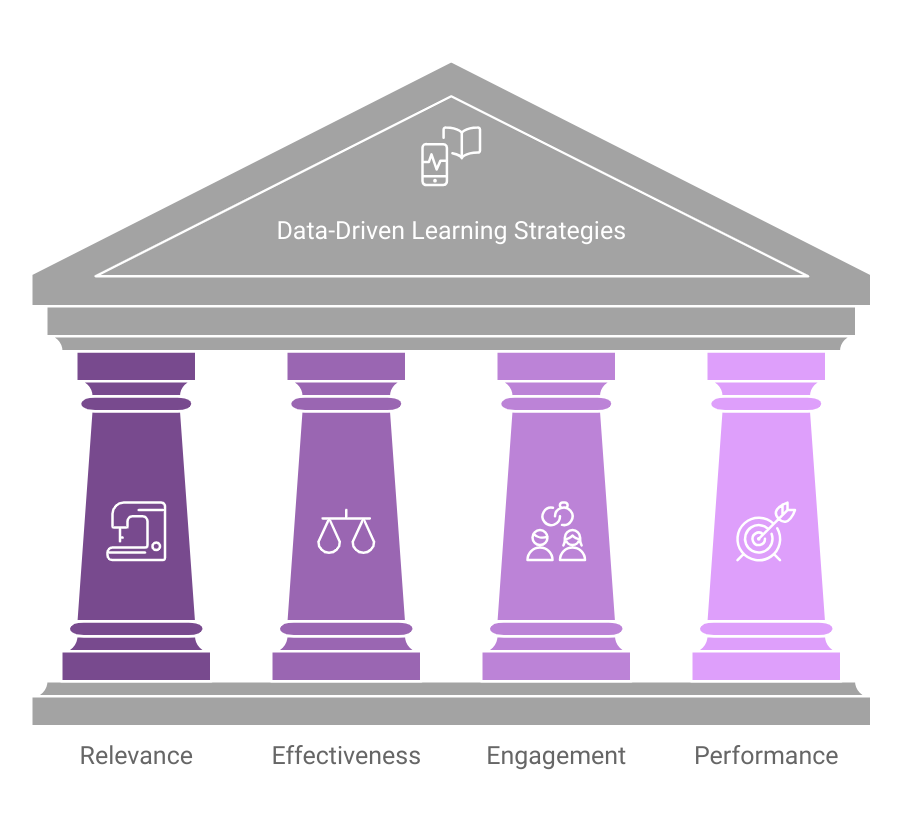
Traditional L&D programs often operate on a one-size-fits-all approach, which can lead to wasted resources and disengaged employees. A data-driven learning strategy solves this by:
- Improving Relevance: Tailoring learning content to individual needs and organizational goals.
- Measuring Effectiveness: Providing tangible metrics to evaluate the impact of training programs.
- Enhancing Engagement: Delivering personalized and adaptive learning experiences.
- Driving Performance: Linking learning outcomes directly to business objectives.
Key Steps to Develop a Data-Driven Learning Strategy
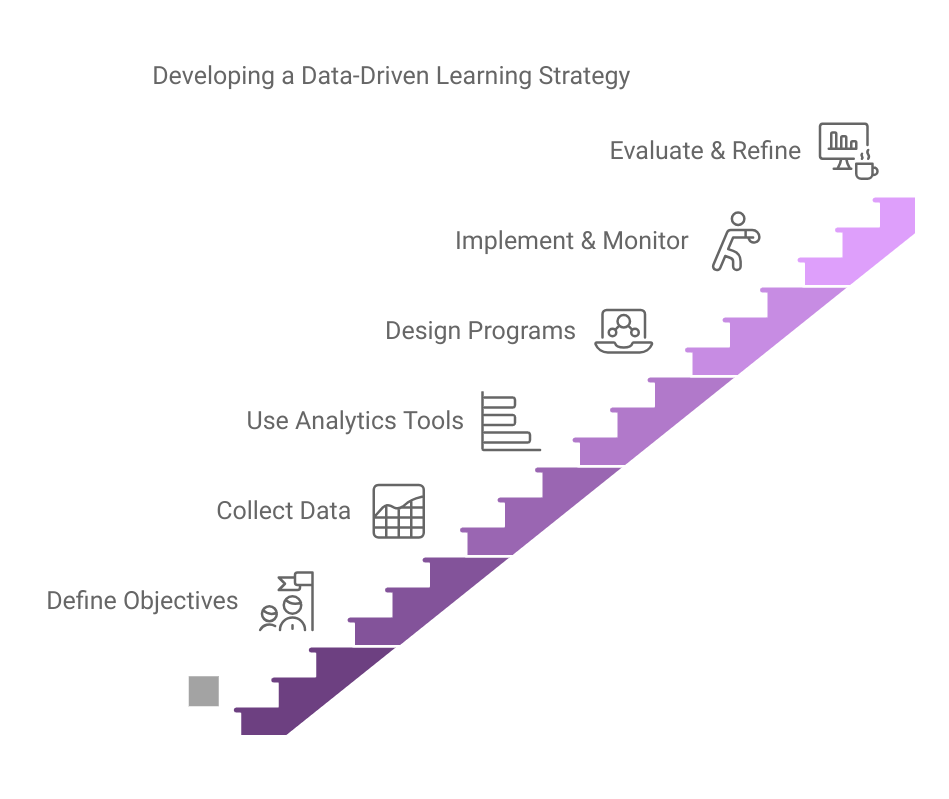
Developing a data-driven learning strategy involves the following key steps:
- Define Clear Objectives: Before diving into data collection, establish the goals of your L&D program. Ask questions like:
- What skills or competencies does the workforce need?
- How does this training align with organizational objectives?
- What metrics will define success?
- Collect Relevant Data: Gather data from multiple sources to get a comprehensive view of learning needs and performance. Key data points include:
- Employee Performance Metrics: Sales figures, project outcomes, and customer satisfaction scores.
- Learning Engagement Data: Completion rates, quiz scores, and time spent on training modules.
- Feedback Surveys: Insights from employees on training relevance and quality.
- Skill Assessments: Pre- and post-training evaluations to measure progress.
- Leverage Learning Analytics Tools: Use advanced tools to analyze and interpret the data. A notable platform is:
- mple.ai: This AI-driven platform enables personalized learning paths, evaluates skill gaps, and provides actionable insights to optimize L&D initiatives.
- Design Targeted Learning Programs: Based on the insights gained, develop learning programs tailored to specific needs:
- Role-Specific Training: Address the unique challenges of different job roles.
- Skill Gaps: Focus on areas where employees struggle the most.
- Adaptive Learning: Use AI to adjust content delivery based on learner performance.
- Implement and Monitor: Deploy the training program and continuously track its progress. Key steps include:
- Regularly updating content based on learner feedback and performance.
- Monitoring engagement levels to identify areas for improvement.
- Using dashboards and reports to communicate results to stakeholders.
- Evaluate and Refine: Evaluate the program’s impact against the predefined objectives. Metrics to consider include:
- Improvement in key performance indicators (KPIs).
- ROI of training initiatives.
- Employee satisfaction and retention rates.
Tools and Technologies for Data-Driven Learning
A variety of tools can support data-driven learning strategies:
- AI Tools: mple.ai offers capabilities to personalize learning, automate assessments, and track performance metrics.
Benefits of Data-Driven Training Programs
Adopting a data-driven approach offers several advantages:
- Personalized Learning: Tailored content increases engagement and retention.
- Cost Efficiency: Focus resources on training that delivers measurable results.
- Improved Performance: Directly link training initiatives to business outcomes.
- Scalability: Easily adapt training programs as organizational needs evolve.
- Informed Decision-Making: Use data insights to prioritize training investments.
Challenges in Implementing Data-Driven Strategies
Despite its benefits, adopting a data-driven approach comes with challenges:
- Data Privacy: Ensuring compliance with data protection regulations.
- Integration Issues: Consolidating data from disparate sources.
- Resistance to Change: Gaining buy-in from stakeholders and employees.
- Skill Gaps: Training L&D teams to use analytics tools effectively.
Conclusion
Data-driven learning strategies are transforming the way organizations approach L&D. By leveraging analytics, companies can create targeted, impactful, and measurable training programs that align with business objectives. While challenges exist, the potential benefits far outweigh the obstacles, making it an essential strategy for modern organizations. Start integrating data into your learning strategy today and unlock the potential of your workforce.
FAQs
- What is a data-driven learning strategy?A data-driven learning strategy uses analytics and performance data to design, implement, and evaluate training programs tailored to specific needs and objectives.
- Why is learning analytics important?Learning analytics helps measure the effectiveness of training programs, identify skill gaps, and personalize learning experiences, leading to better outcomes.
- What tools are used for data-driven learning?mple.ai is a leading tool for integrating AI-driven analytics, personalization, and performance tracking in L&D programs.
- How can organizations ensure data privacy in learning analytics?Organizations should adhere to data protection regulations, use secure platforms, and anonymize sensitive data to safeguard employee privacy.
- What are the key metrics for evaluating training success?Key metrics include engagement rates, skill improvement, employee satisfaction, ROI, and the impact of training on business performance.