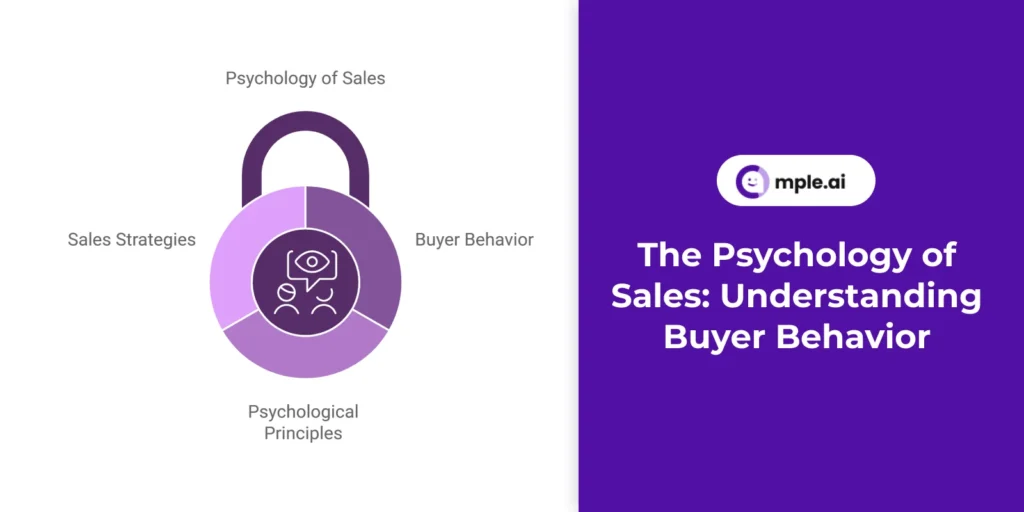
Sales is not just about offering a great product or service; it’s about understanding why people buy. Behind every purchasing decision lies a web of psychological principles that influence buyer behavior. By tapping into these principles, sales professionals can align their strategies with how buyers think, feel, and act, ultimately increasing their success rates.
In this blog, we’ll explore the key psychological drivers behind purchasing decisions and how you can use this knowledge to transform your sales approach.
What You’ll Learn
By the end of this blog, you’ll understand:
- The core psychological principles that influence buyer behavior.
- How emotions and cognitive biases drive purchasing decisions.
- Strategies to align your sales approach with buyer psychology.
- Practical examples of using sales psychology to close more deals.
The Role of Psychology in Sales
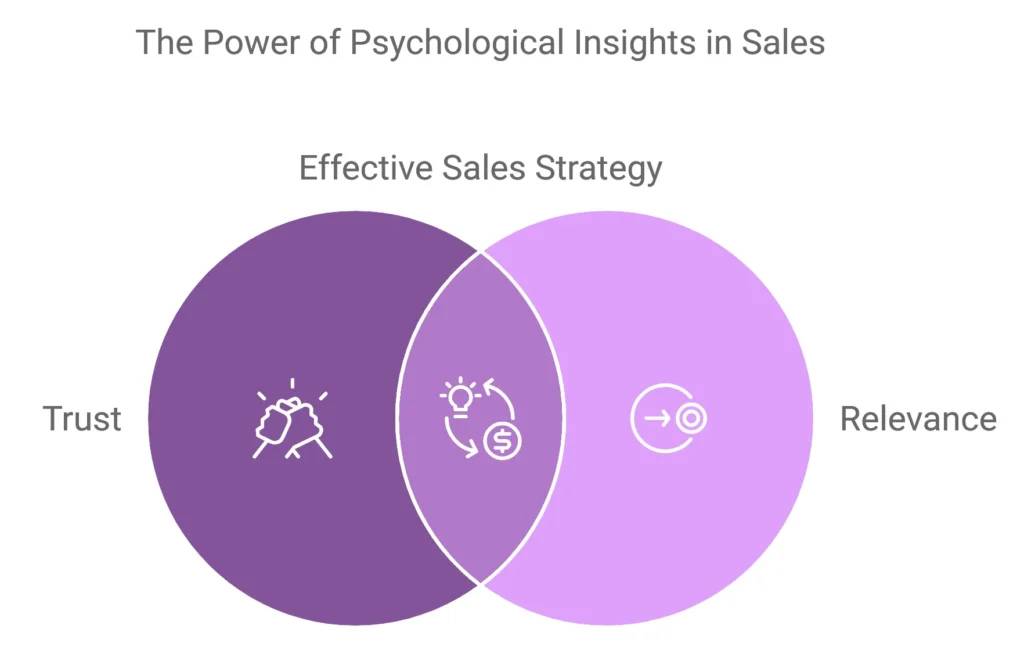
Understanding buyer psychology isn’t just a “nice-to-have”; it’s a critical component of modern sales strategies. People don’t make purely rational decisions—their emotions, biases, and perceptions play a significant role. By addressing these underlying factors, you can:
- Build Trust: Trust is the cornerstone of any successful sale. Buyers are more likely to purchase from someone they feel understands their needs.
- Create Relevance: Aligning your pitch with a buyer’s motivations makes your offering more compelling.
- Drive Action: Appealing to psychological triggers can move buyers past hesitation to take decisive action.
Psychological Principles Driving Buyer Behavior
Understanding the psychological principles that drive purchasing decisions can help you align your sales strategy with buyer behavior. Here are some of the key principles:
1. Emotions Over Logic
Emotions are at the heart of most purchasing decisions. While buyers may justify their choices with logic, their initial attraction is often emotional. For example:
- Fear of Missing Out (FOMO): Limited-time offers and scarcity tactics appeal to the fear of missing an opportunity.
- Happiness and Aspiration: Marketing that emphasizes how a product improves life or fulfills dreams resonates with buyers.
How to Use This:
- Highlight the emotional benefits of your product (e.g., “This software will save you hours of frustration each week”).
- Use storytelling to create an emotional connection with your audience.
2. Cognitive Biases
Cognitive biases are mental shortcuts that influence decision-making. Some key biases include:
- Anchoring Bias: People rely heavily on the first piece of information they receive. For instance, showing a higher price first makes subsequent options seem like better deals.
- Social Proof: Buyers are influenced by what others do. Testimonials, reviews, and case studies build credibility.
How to Use This:
- Use anchor pricing to frame your offers (e.g., “Originally $500, now only $300!”).
- Showcase customer success stories to validate your claims.
3. The Principle of Reciprocity
When someone does something for us, we feel compelled to return the favor. In sales, offering value upfront can create a sense of obligation.
How to Use This:
- Provide free resources, such as eBooks or consultations, before pitching your product.
- Offer personalized advice to demonstrate your commitment to helping the buyer.
4. The Power of Authority
People tend to trust experts and authority figures. If your product is endorsed by industry leaders or you position yourself as an expert, buyers are more likely to trust you.
How to Use This:
- Highlight certifications, awards, or partnerships.
- Share thought leadership content to establish yourself as a credible resource.
5. Loss Aversion
Psychologically, people fear losing something more than they desire gaining something of equal value. This principle makes buyers more likely to act if they’re afraid of losing out.
How to Use This:
- Use language like “Don’t miss this opportunity” or “Secure your spot before it’s too late.”
- Emphasize what the buyer stands to lose by not acting (e.g., wasted time, missed revenue).
Aligning Your Sales Approach with Buyer Psychology
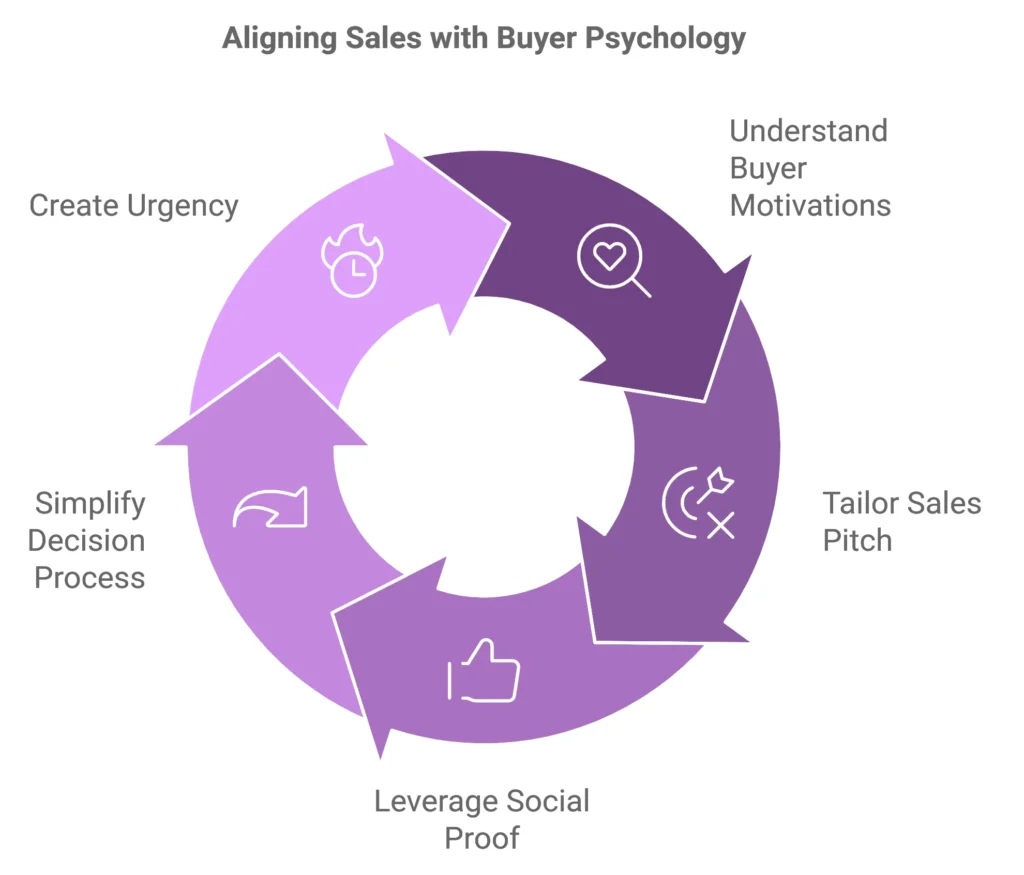
To effectively leverage buyer psychology, it’s important to align your sales approach with the motivations, needs, and decision-making processes of your audience. Here’s how you can do it:
1. Understand Your Buyer’s Motivations
Every buyer has unique motivations, whether it’s solving a problem, achieving a goal, or fulfilling a desire. Conduct research to understand their pain points and aspirations. Use open-ended questions during conversations to uncover what drives their decisions.
2. Craft a Tailored Pitch
Generic sales pitches rarely work. Instead, tailor your message to address the buyer’s specific needs and psychological triggers. For instance:
- If they’re risk-averse, emphasize security and reliability.
- If they’re ambitious, focus on how your product can accelerate their success.
3. Leverage Social Proof
Show buyers that others like them have benefited from your product. Case studies, testimonials, and user-generated content are powerful tools for establishing trust and credibility.
4. Simplify the Decision-Making Process
Decision fatigue is real. The more complex the decision, the less likely buyers are to act. Reduce friction by:
- Offering clear, straightforward pricing.
- Providing easy-to-understand comparisons of product features.
- Removing unnecessary steps from the purchasing process.
5. Create Urgency
Without urgency, buyers may delay making a decision. Use scarcity and time-sensitive offers to motivate action. For example:
- “Only 3 spots left in our premium coaching program.”
- “Offer ends in 24 hours.”
Examples of Sales Psychology in Action
1. E-commerce: The Scarcity Effect
An online store adds a banner: “Only 2 items left in stock.” This taps into FOMO and scarcity, encouraging buyers to act quickly.
2. B2B Sales: The Authority Effect
A software company highlights its partnership with a leading industry association. This builds trust and reassures buyers of the product’s quality.
3. Personal Selling: Reciprocity
A real estate agent provides a free market analysis to potential sellers, creating a sense of obligation that leads to a signed contract.
Key Takeaways
- Buyer psychology plays a pivotal role in sales, influencing decisions through emotions, biases, and perceptions.
- Leveraging psychological principles like reciprocity, authority, and loss aversion can significantly enhance your sales outcomes.
- Align your sales approach with the buyer’s motivations, simplify the decision-making process, and use social proof to build trust.
- Practical application of these principles can make your sales strategy more effective and customer-centric.
Conclusion
Understanding the psychology of sales is about more than just closing deals; it’s about building lasting relationships by addressing the deeper motivations behind purchasing decisions. By applying these psychological principles, you can create meaningful connections with your buyers, foster trust, and drive consistent success.
Whether you’re in e-commerce, B2B sales, or personal selling, aligning your approach with buyer psychology is a powerful way to differentiate yourself in today’s competitive marketplace. Start implementing these strategies today and watch your sales soar.
FAQs
1. What is buyer psychology?
Buyer psychology refers to the study of how emotions, biases, and perceptions influence purchasing decisions. It explores why buyers make certain choices and how sales professionals can align their strategies to address these factors.
2. Why is understanding buyer behavior important in sales?
Understanding buyer behavior helps sales professionals tailor their approach to meet the specific needs and motivations of their audience. This increases trust, relevance, and the likelihood of closing deals.
3. How do emotions influence purchasing decisions?
Emotions often drive initial attraction to a product or service. Buyers may later justify their choices with logic, but their decisions are deeply rooted in how they feel about the offering.
4. Can sales psychology work for all industries?
Yes, sales psychology principles are universally applicable, whether you’re in retail, B2B, or service-based industries. The key is to adapt the strategies to your target audience and sales context.
5. How can I incorporate sales psychology into my sales strategy?
Start by understanding your audience’s motivations, tailoring your pitch, and leveraging psychological triggers like social proof, reciprocity, and urgency. Regularly test and refine your approach to see what resonates best with your buyers.